
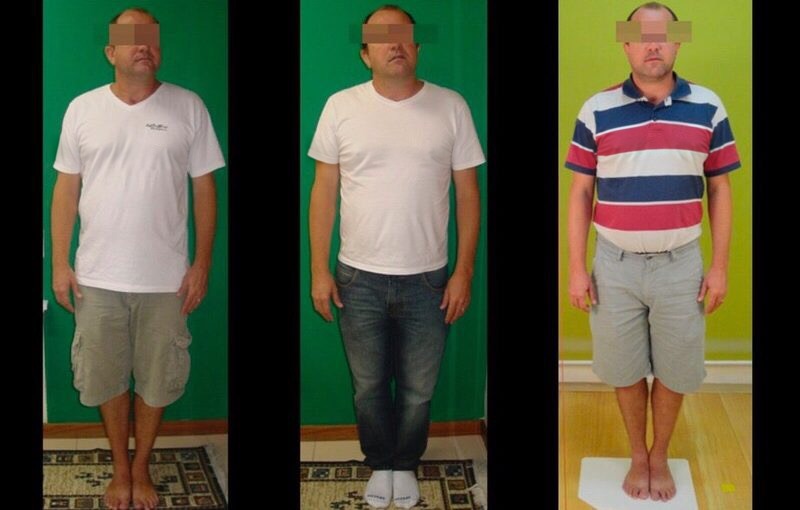
On this blog, we have already examined the story of the Spaniard Marcello Mazza, who cured a severe case of dystonia with torticollis and spinal-cord compression by acting on the dental system. Three years have passed, and his treatment is now completely finished. We will continue studying cases similar to his. The patient presented here was treated with a somewhat different type of intraoral appliance (Marcello used a Starecta splint and, after his main symptoms disappeared seven months later, added an ALF appliance on the upper jaw). Nevertheless, this case clearly demonstrates the influence of the bite on correct head and neck position. The account below will be told in the voice of Brazilian doctor Lidia Yavich, who treated the patient described.
This patient contacted me on the recommendation of a colleague abroad. After his email explaining the reason for his consultation concerning cervical dystonia (torticollis, or spasmodic torticollis), I replied that this was not my field: I treat temporomandibular-joint dysfunction and practise orthodontics and facial orthopaedics. The patient insisted, explaining that the colleague who recommended me knew me from an American Academy of Craniofacial Pain (AACP) meeting to which I had been invited as a lecturer. He did not know whether I treated dystonia, but, considering what he had observed, said that I could help this patient.
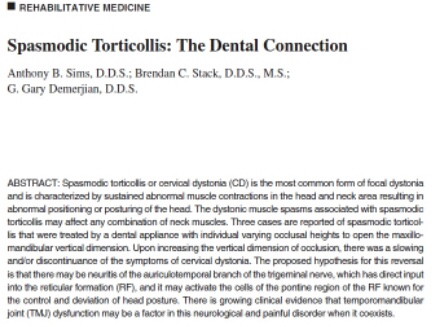
I began studying published articles on this subject. One that caught my attention was 'Spasmodic Torticollis: The Dental Connection', by doctors Anthony B. Sims, Brendan C. Stack and Gary Demerjian.
Spasmodic torticollis (cervical dystonia) is a neurological disorder involving abnormal contractions of the neck muscles that cause twisting, repetitive movements and an unnatural neck position. The movements may resemble tremor. The disorder often begins or intensifies during voluntary movements, and symptoms may spread to adjacent muscles.
Focal dystonia affects a muscle or group of muscles—for example, in the eyes, neck or hands—causing involuntary muscular contractions. The exact cause of focal dystonia is unknown. It is thought to arise from a pathology of the central nervous system, probably related to the parts of the brain responsible for motor function. It is a disturbance in the command system 'brain signal—muscular effort'.
The most common types of spasmodic dystonia:
Blepharospasm—a type of facial spasm, an uncontrolled contraction of the orbicularis oculi muscle.
Oromandibular dystonia—involuntary contractions of the muscles of the oral cavity, jaws, tongue and lips. These contractions may cause inability to chew food, muscular pain, lateral jaw displacement, and difficulty swallowing and speaking.
Cervical dystonia (torticollis) affects the neck muscles, causing the head to move to one side, lower towards the chest or back, or combine these positions.
Laryngeal dystonia is a voice disorder characterised by involuntary movements or spasms of one or more laryngeal muscles (vocal cords) during speech.
From the patient's letter before treatment:
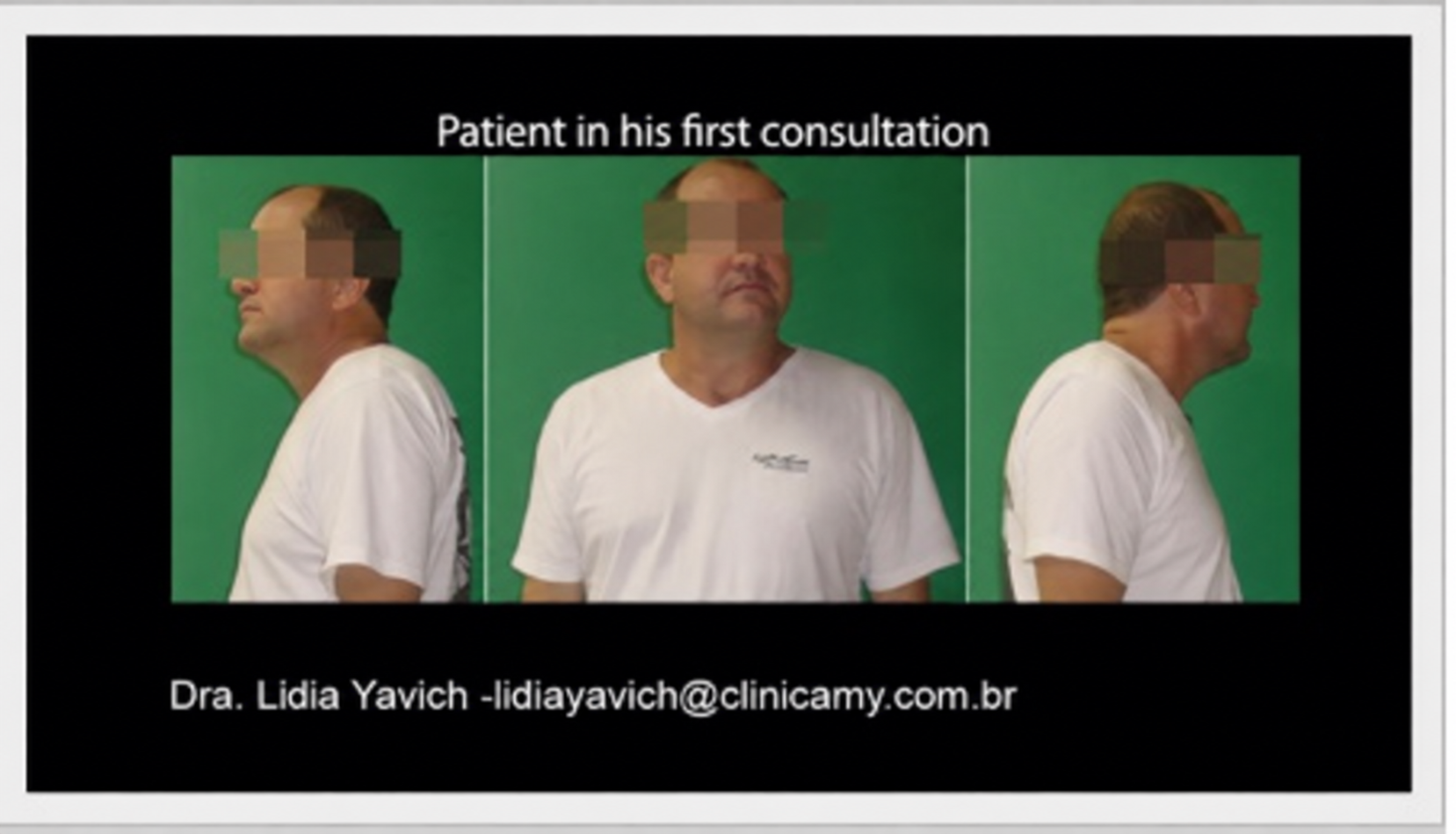
It all began after implants were placed in my lower jaw. About a year later, I began feeling very uncomfortable: I felt stiffness in my back and neck, strong pressure in the back of my head, and pain. I started having many examinations with neurologists, physiotherapists, rheumatologists and orthopaedists, all of whom took the same line: it was stress and extreme fatigue.
Later, a twisting movement of the neck to the left joined the symptoms. It was not very strong, but I began feeling a loss of control in my neck. It always tried to turn left, especially when I walked, trying to concentrate on an object.
After physiotherapy, acupuncture and some other treatments I tried, a neurologist finally diagnosed cervical dystonia. He performed many examinations to rule out injury or problems associated with Wilson's disease (a congenital disorder of copper metabolism). This possibility was soon dismissed.
I saw another neurologist, who confirmed the cervical-dystonia diagnosis. He began Botox treatment to relax certain muscles. I also underwent three courses of muscle relaxants, which did not help. I therefore began researching the subject more deeply. This is how I found several videos on temporomandibular-joint dysfunction and dental techniques for treating it.
The situation is difficult, because my diagnosis is neurological: we do not know the aetiology, and there is still no treatment. I believe all this must be related to the implants, since I lived for more than thirty years without these teeth; perhaps the position of my jaws could have provoked some slow changes I encountered. I am not a specialist able to assert that this is so, but I believe it is worth investigating, because scientific publications exist on the subject. Moreover, Dr Anthony Sims and other dental specialists point to a possible connection of head and neck muscles, motor coordination and Tourette syndrome with changes in the temporomandibular joints.
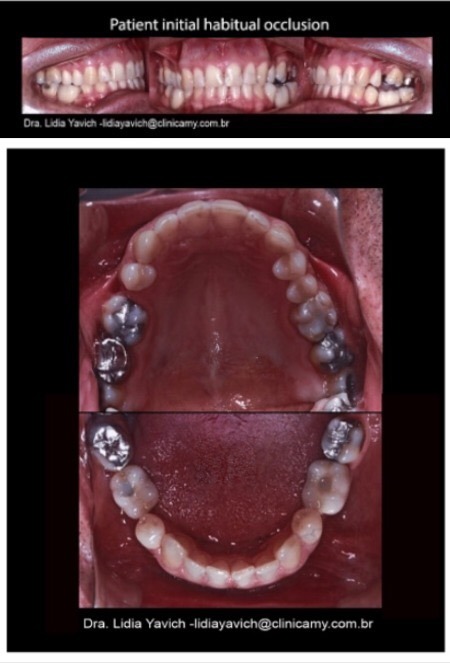
The patient's main symptoms:
- Inability to stabilise the head
- Ringing in the ears
- A feeling of pressure in the ears
- Muscular spasm when attempting to move the head downwards and to the right
- Cracking in the cervical vertebrae—C1, C2—and cracking in the spine
- Cracking in the temporomandibular joints, especially when yawning
The patient's X-rays and MRI before treatment
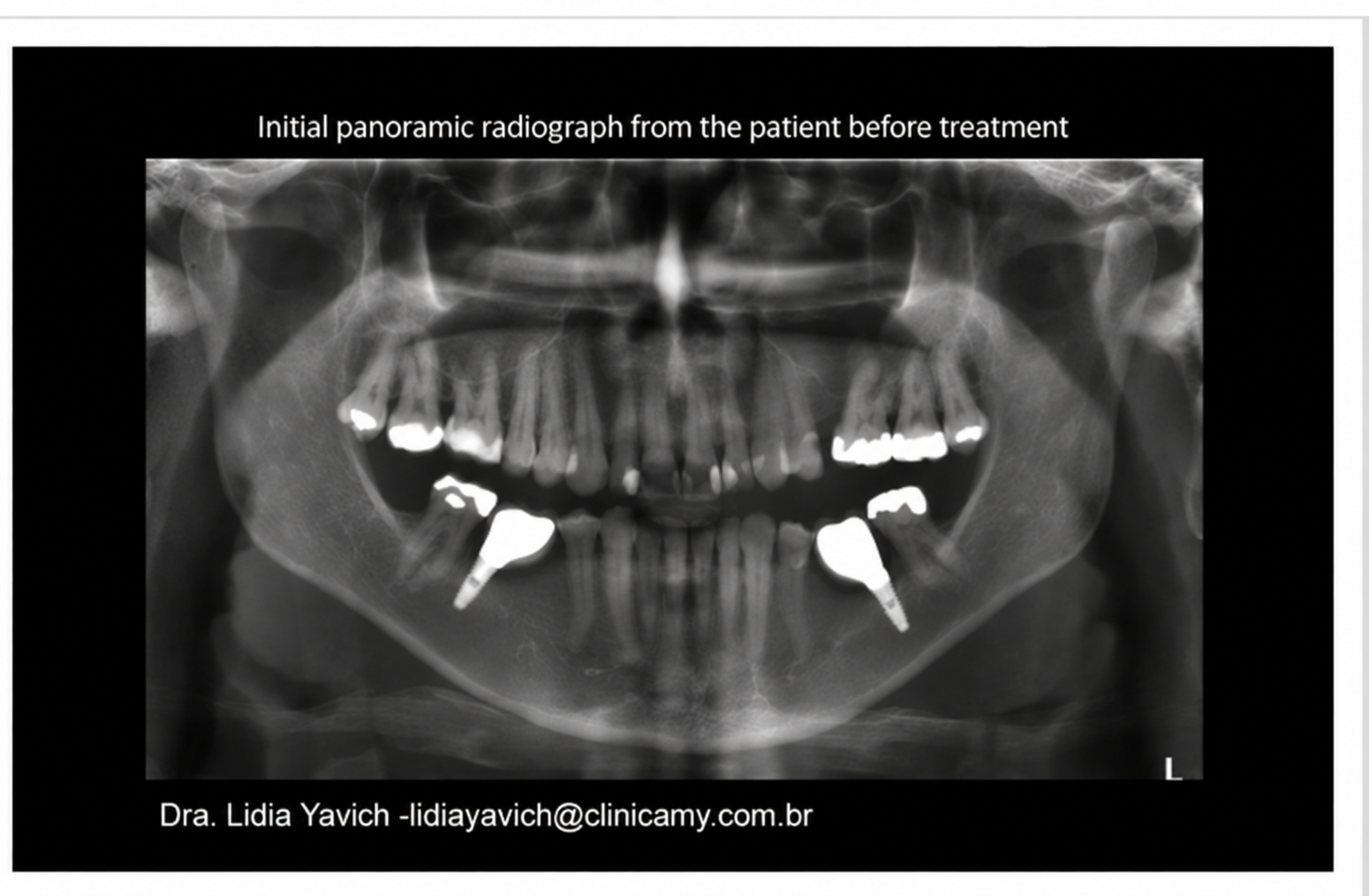
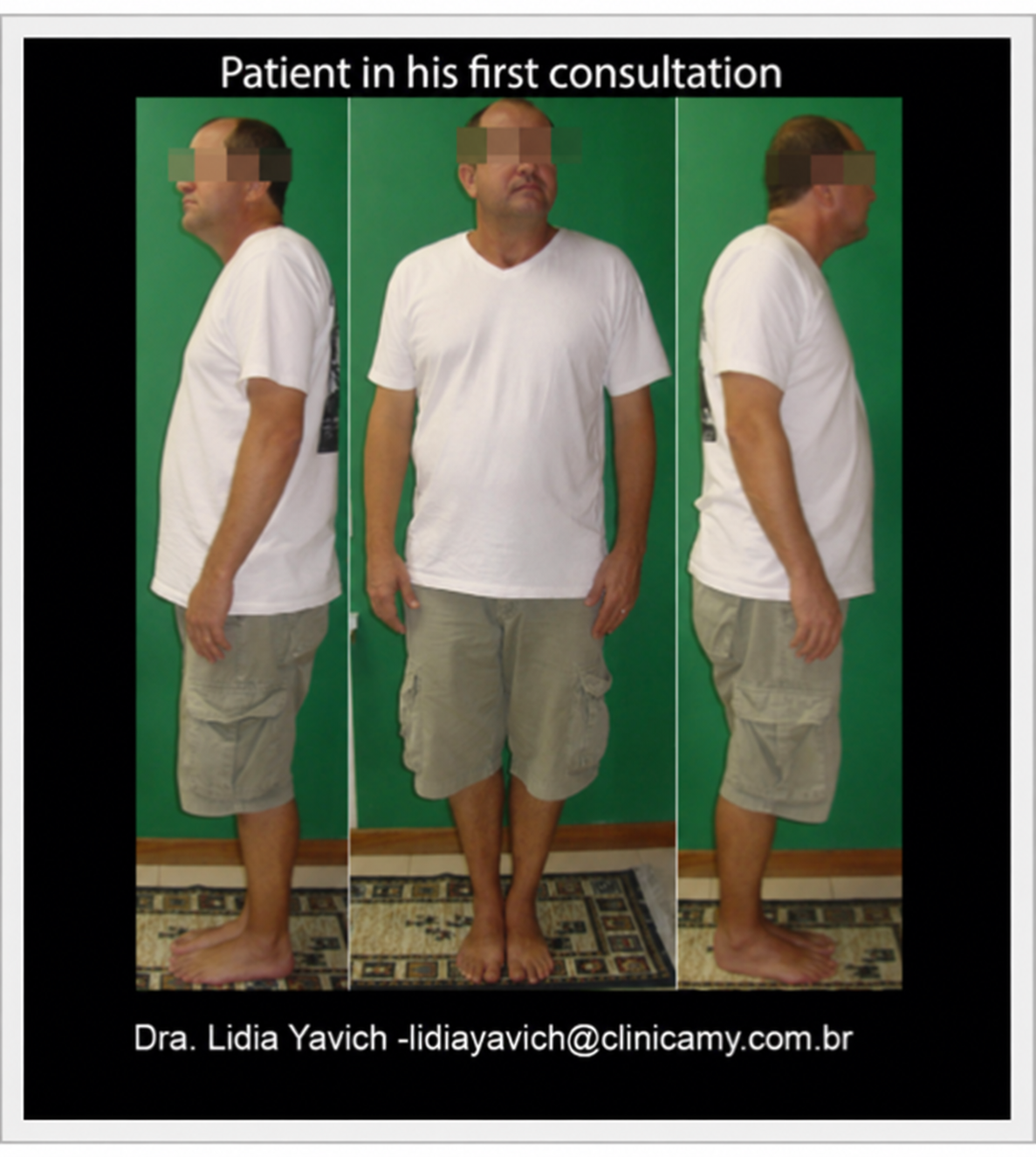
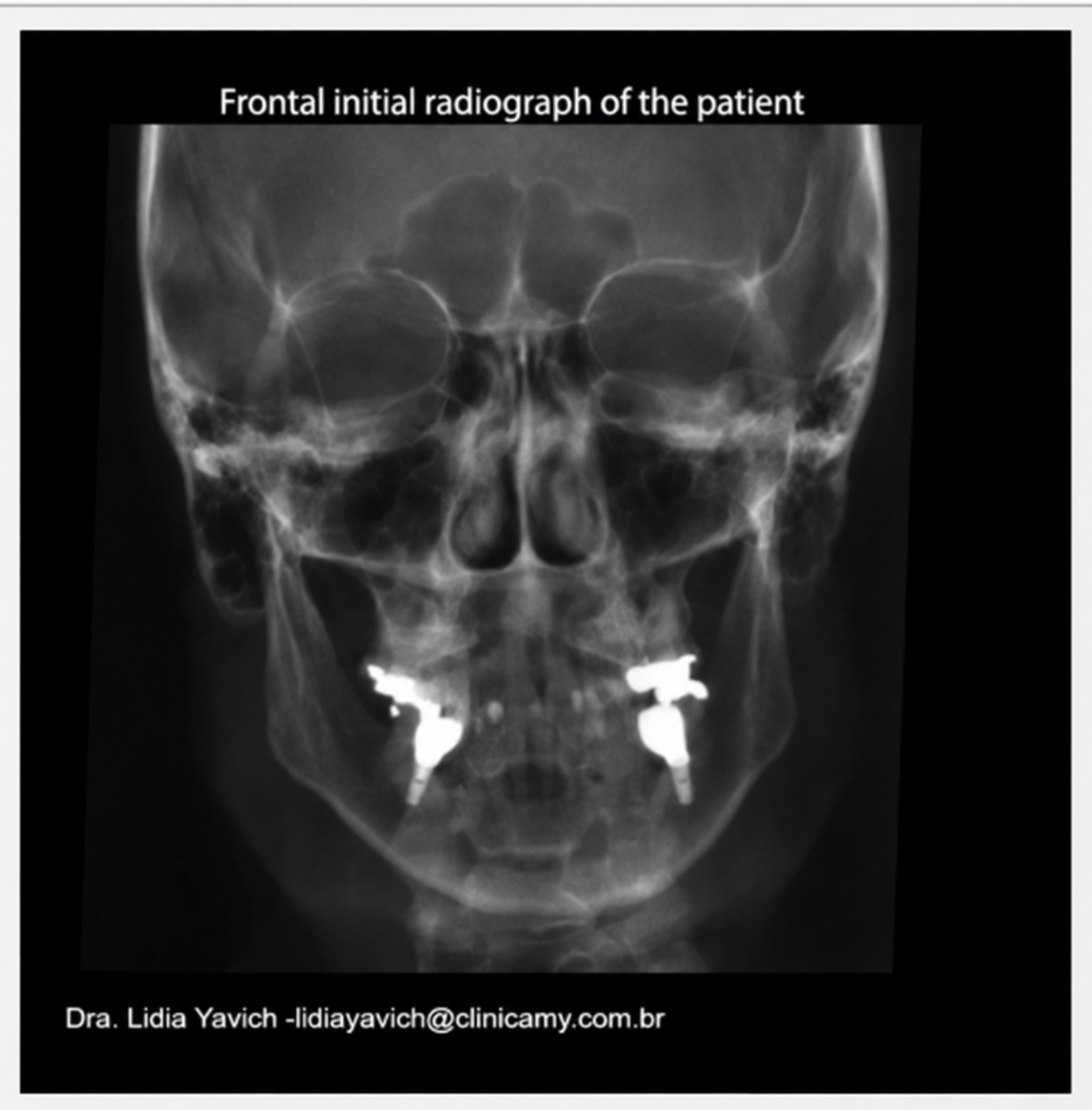
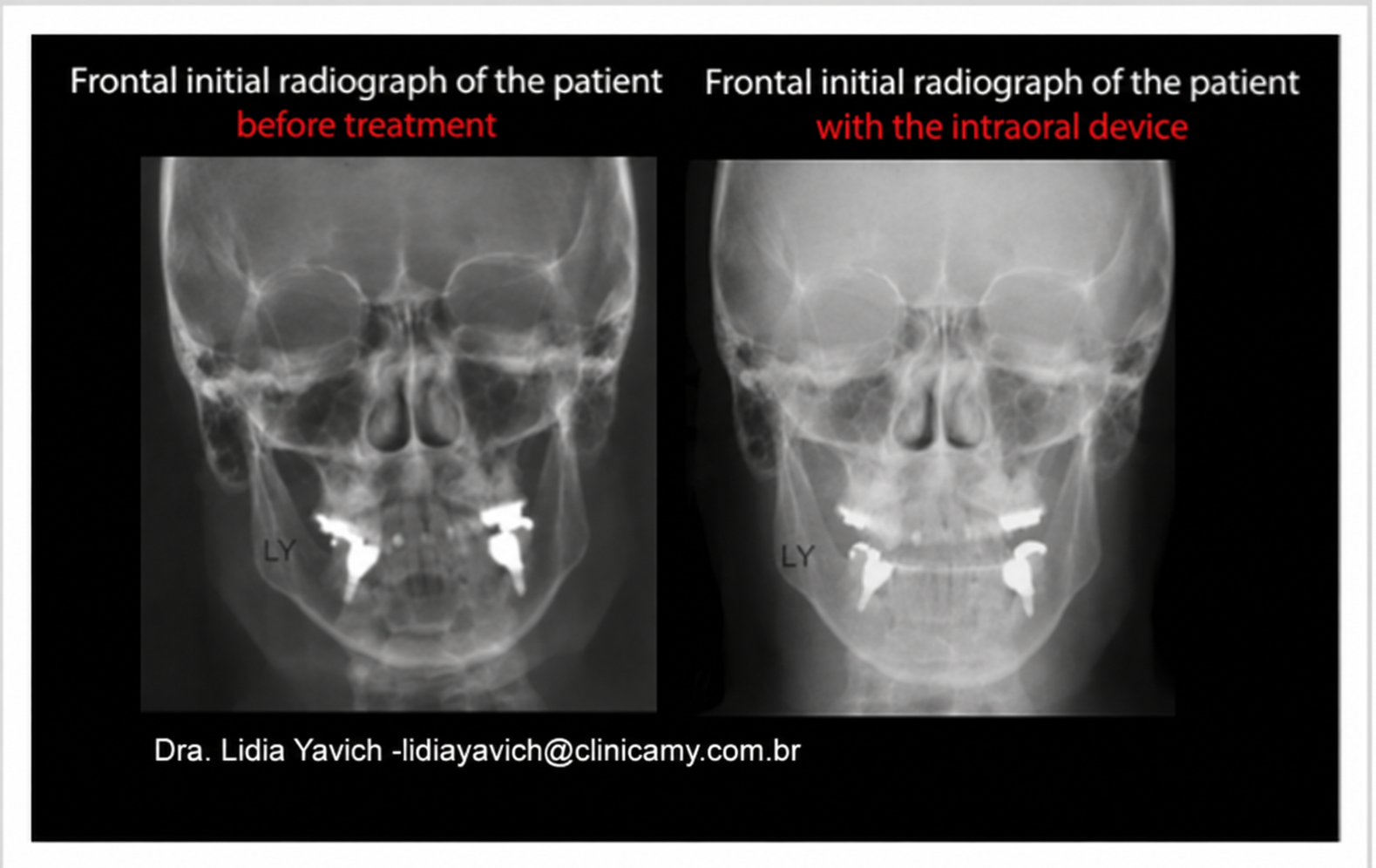
The frontal cephalogram clearly shows the patient's inability to hold his head straight:
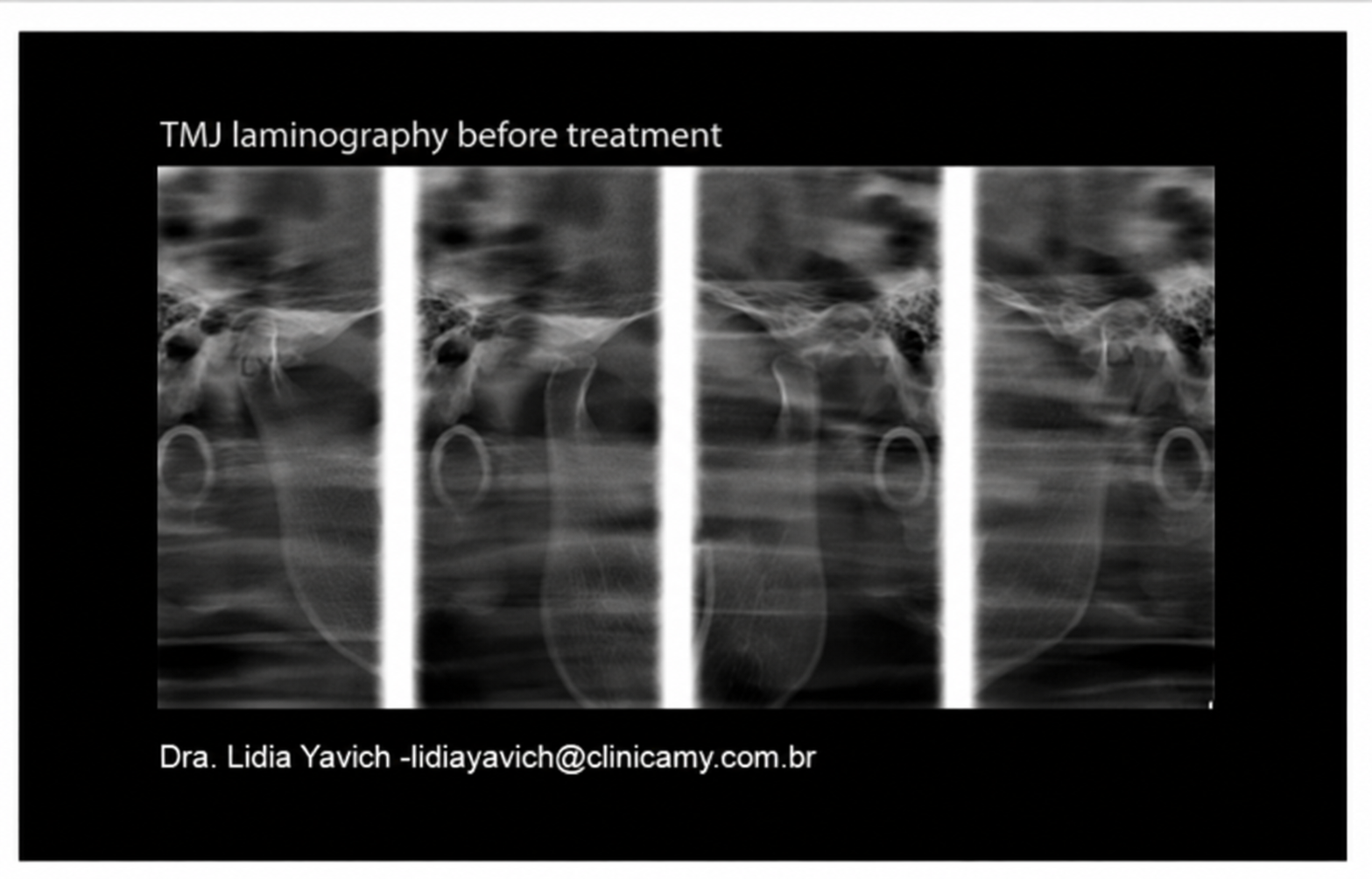
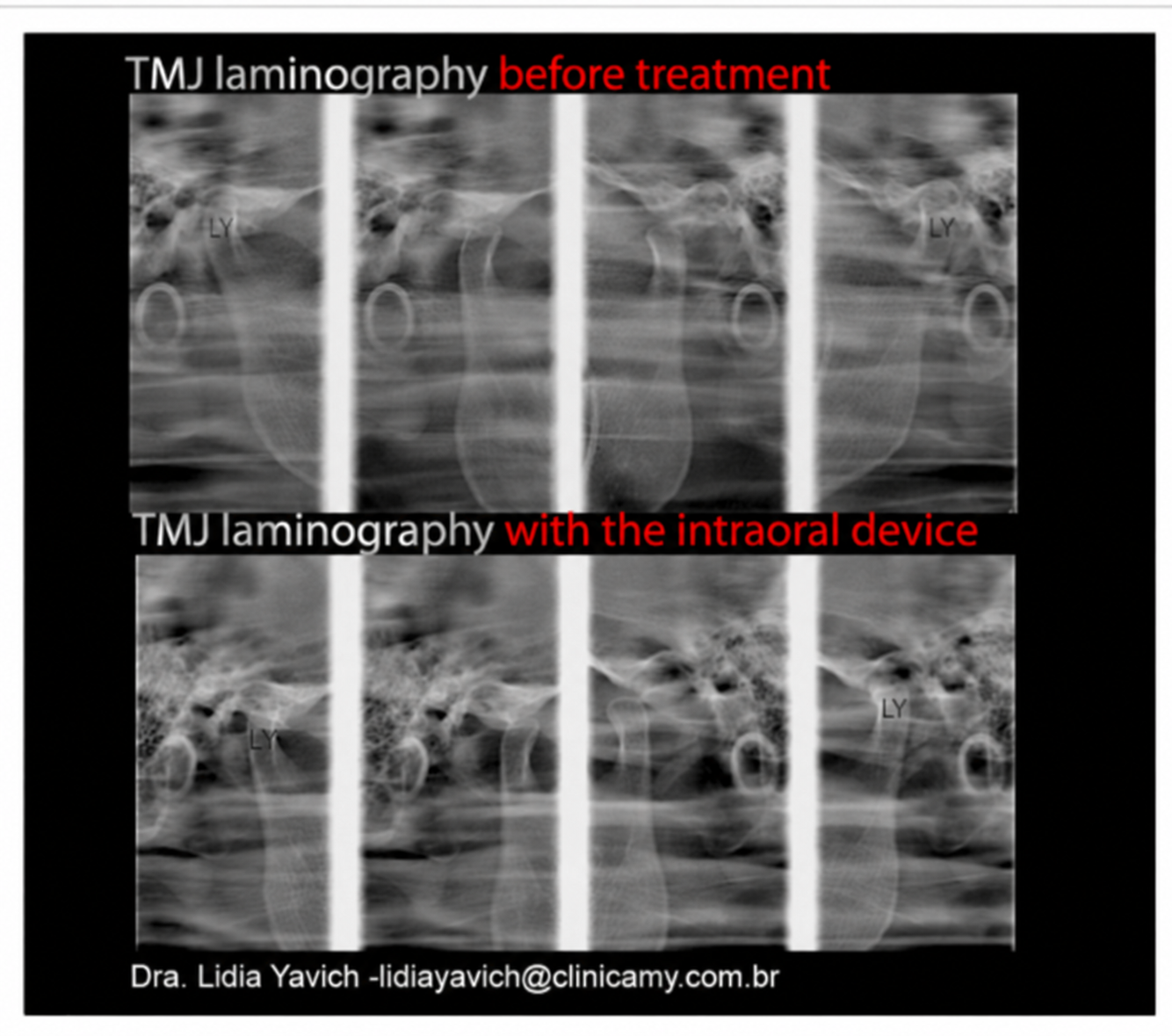
On zonography of the patient's TMJs in habitual occlusion, we observe a posterior position of the heads of both temporomandibular joints:
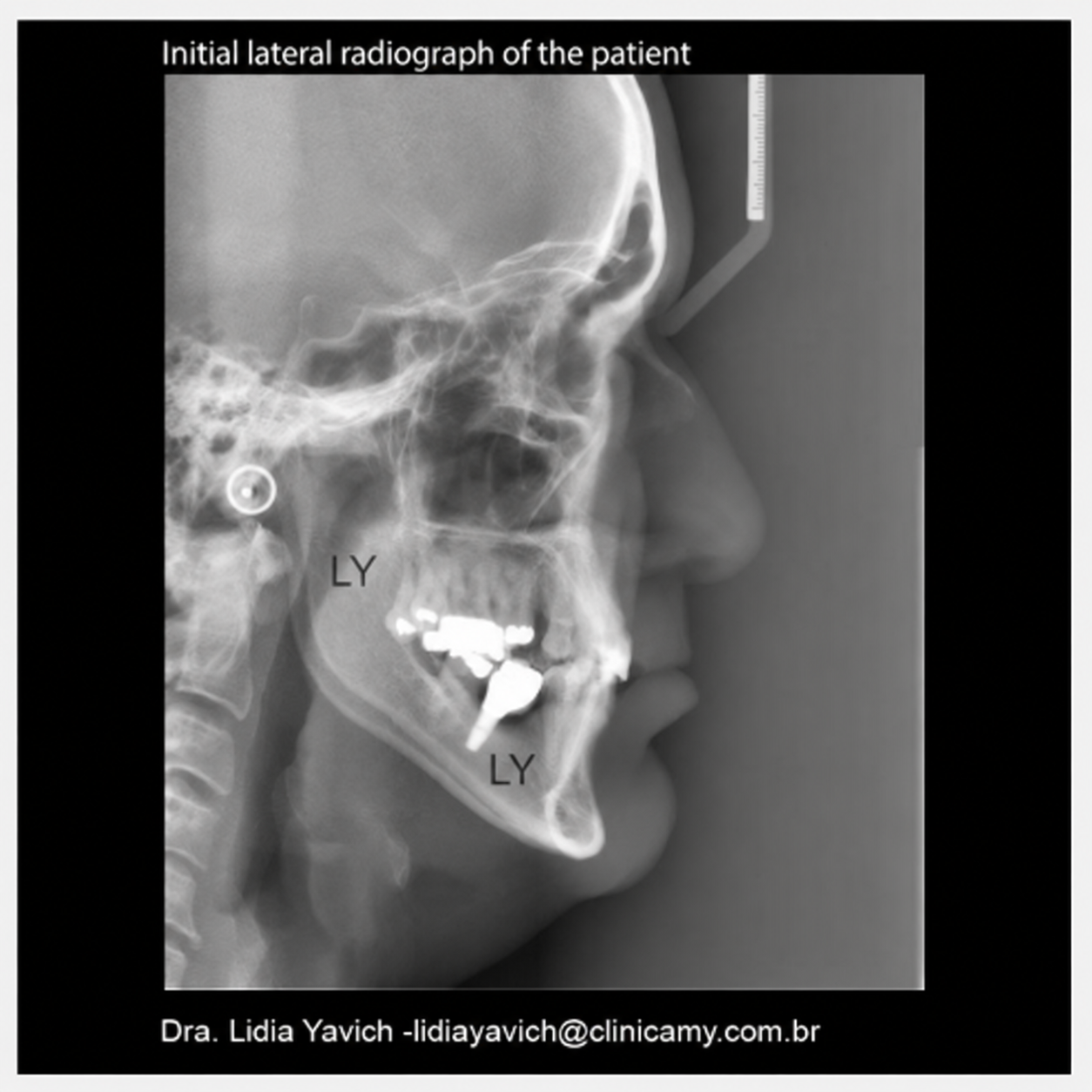
The patient's lateral cephalogram:
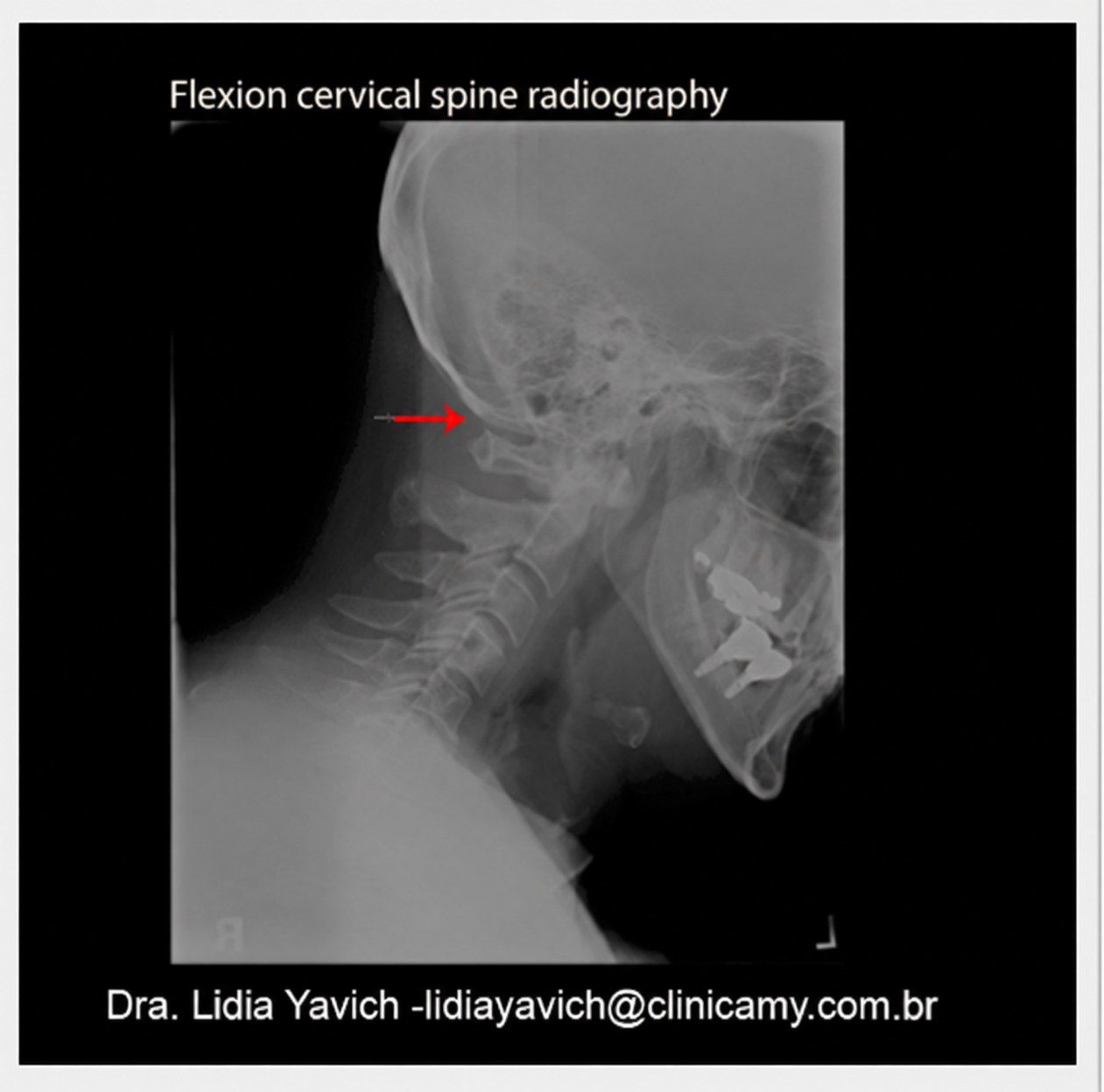
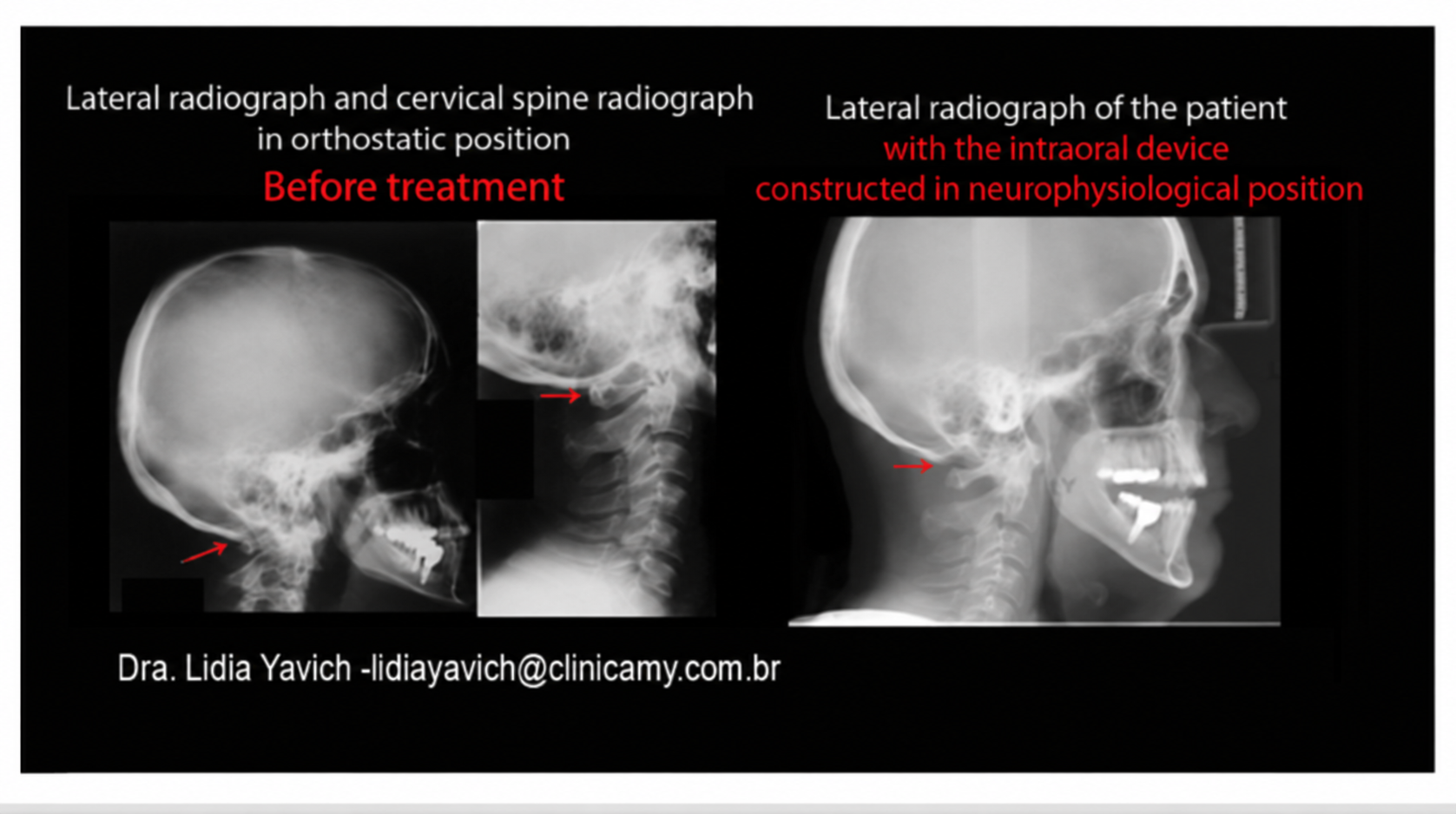
X-ray of the cervical spine before treatment. As we can see, there is almost no vertical space between the patient's atlas and occipital bone:
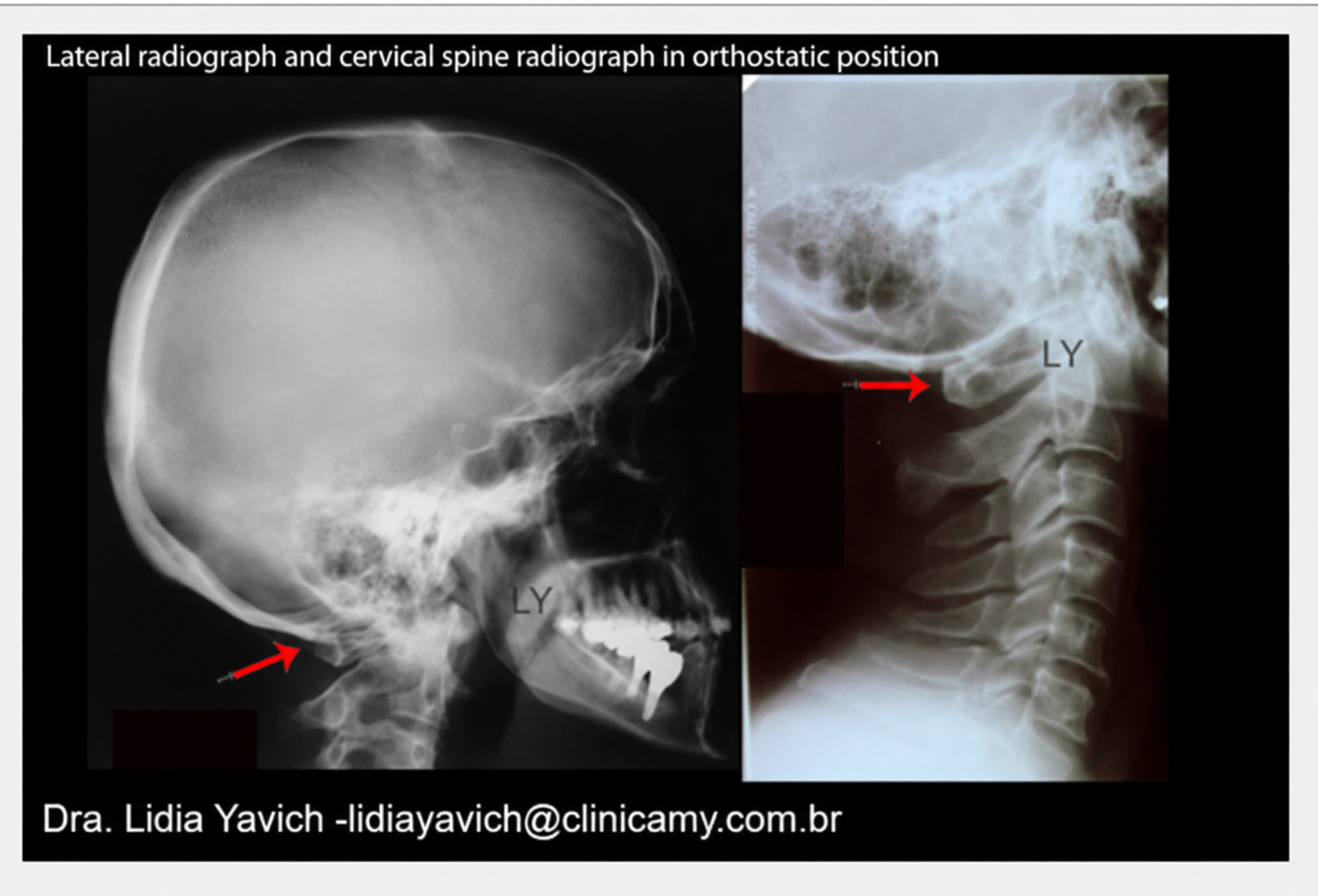
It is noticeably reduced even when the head tilts forwards:
MRI of both temporomandibular joints with the mouth closed shows compression of the discs in a posterior position in the bilateral plane (I am not a specialist and doubt the accuracy of my translation of these terms, so I will retain the original wording: bilateral retro discal compression—translator's note).
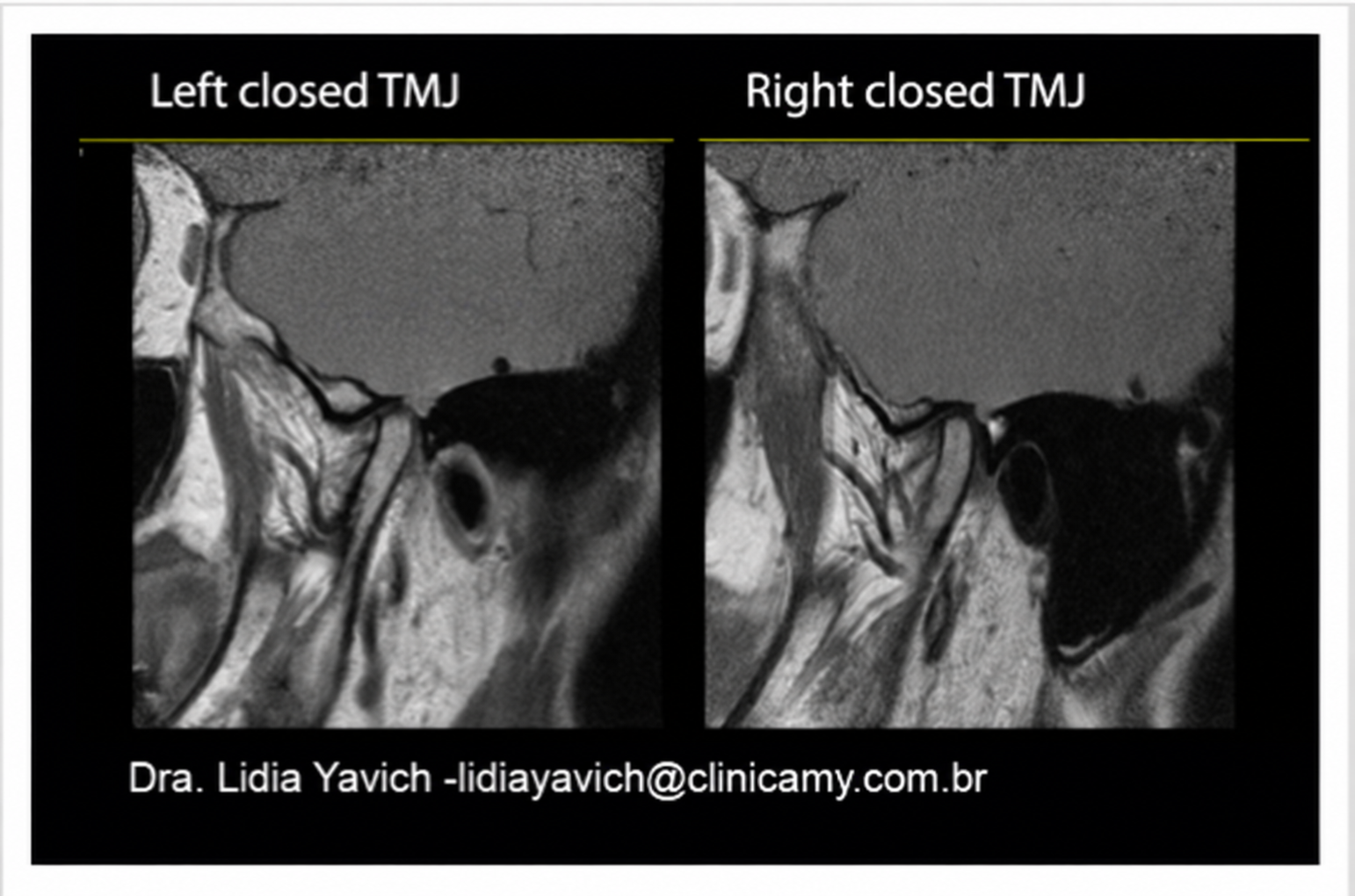
The patient has no restrictions when opening his mouth, and the discs are properly positioned on the heads of the lower-jaw joints. For this reason, I am not presenting the patient's joint MRI in this position.
Treatment of the patient with an intraoral appliance
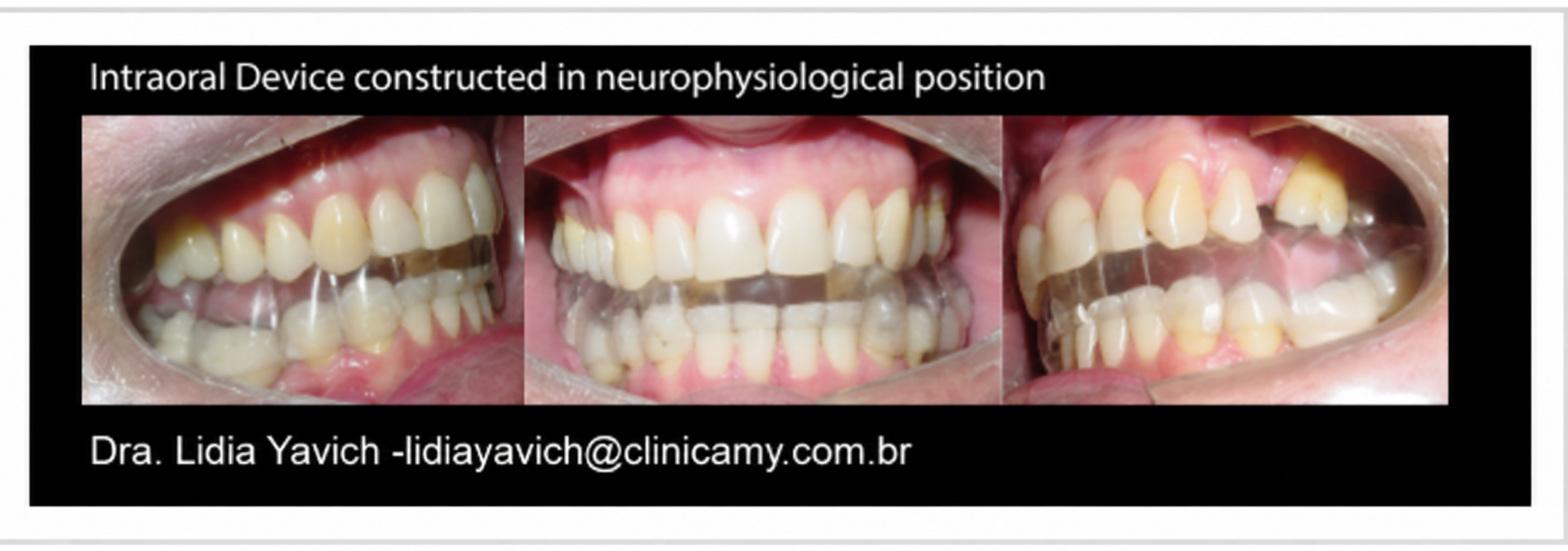
The patient's chewing muscles were first deprogrammed using a TENS device (Transcutaneal Electronic Neural Stimulation). A neurophysiological position was then recorded, from which an intraoral appliance was made and checked using SEMG (Surface Electromyography). Dr Learreta's neurophysiological technique was used to make the appliance.
Results after 4 months of treatment
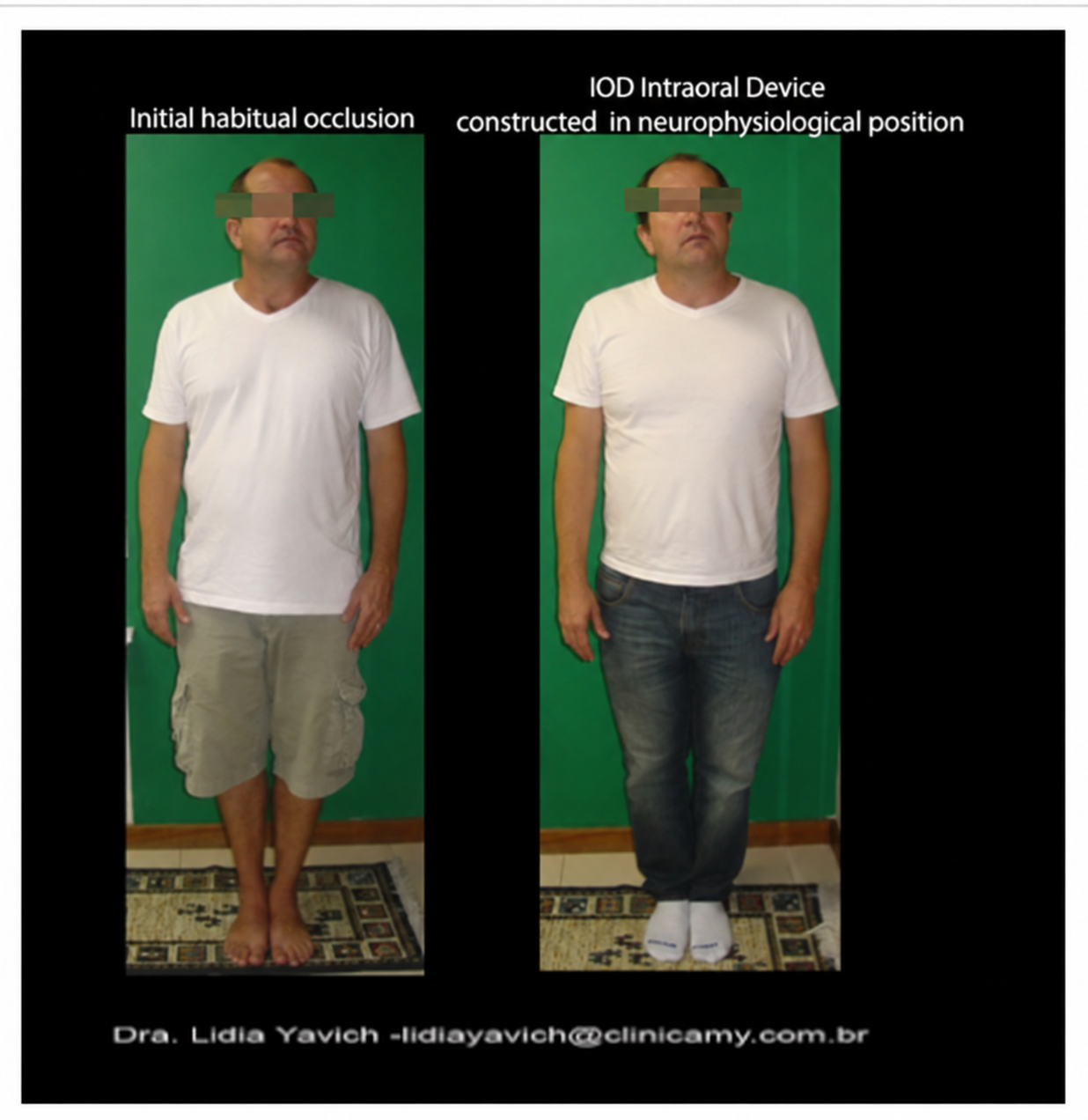
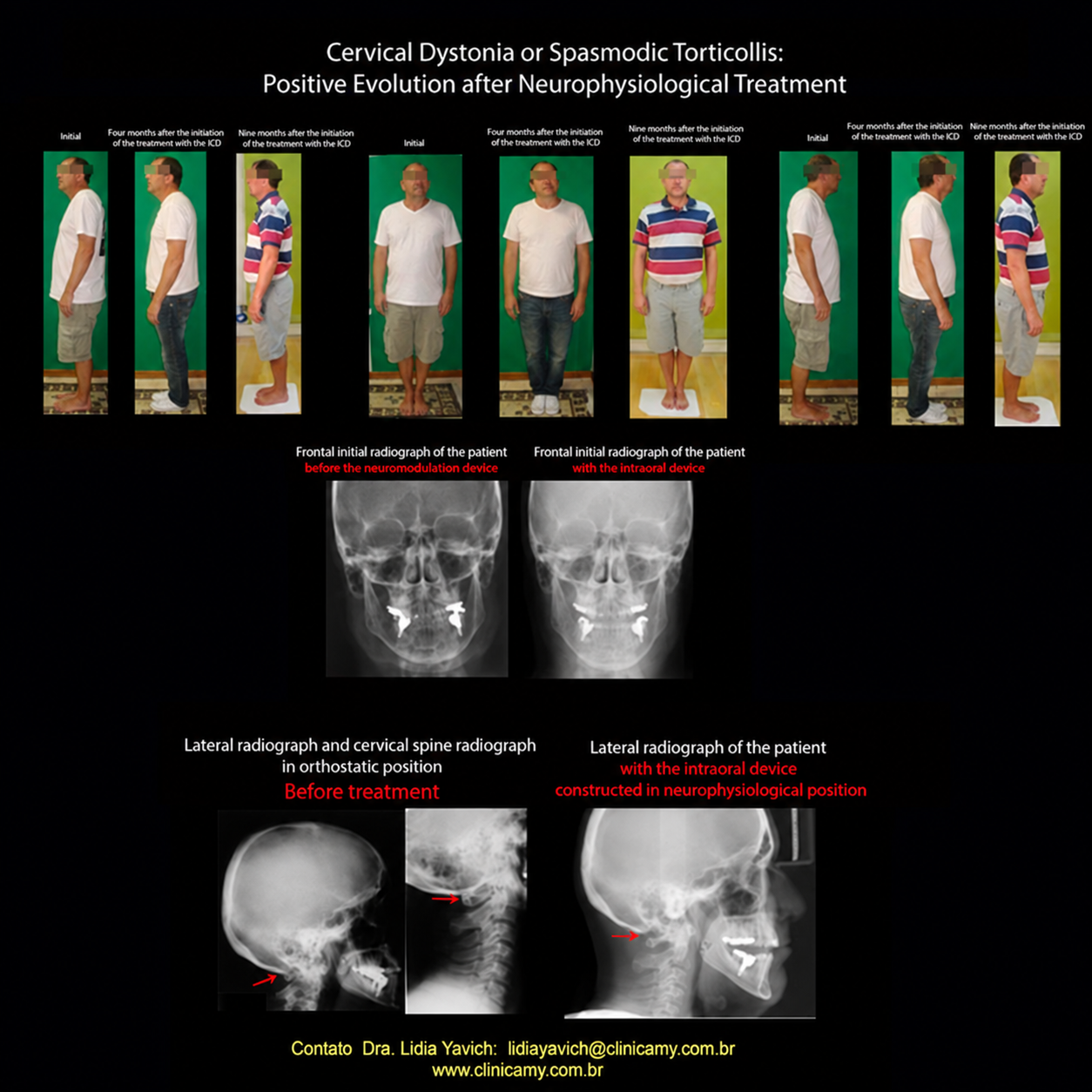
Notice the improvement in the patient's head and neck position (photograph on the left):
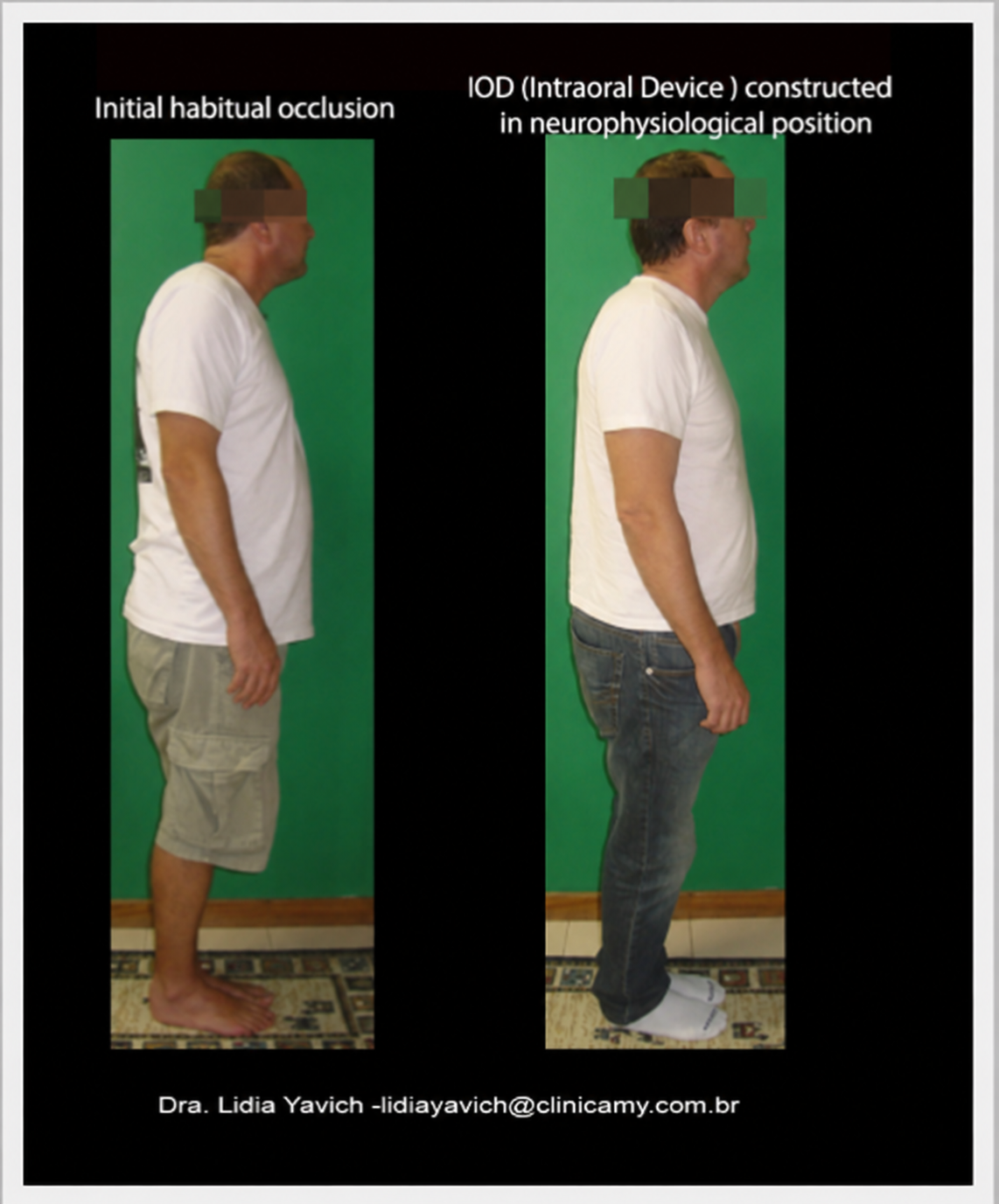
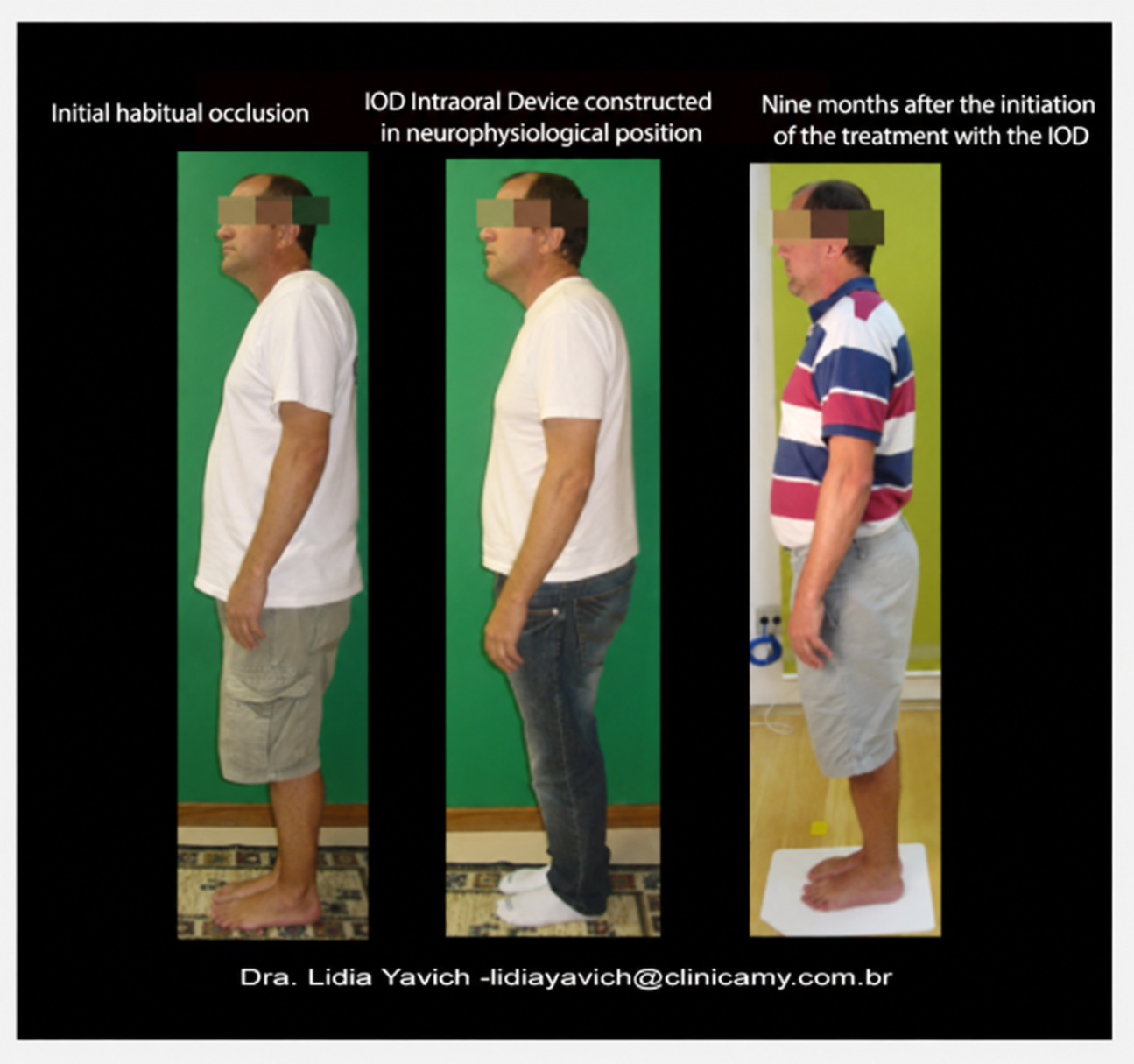
Photograph from the right side:
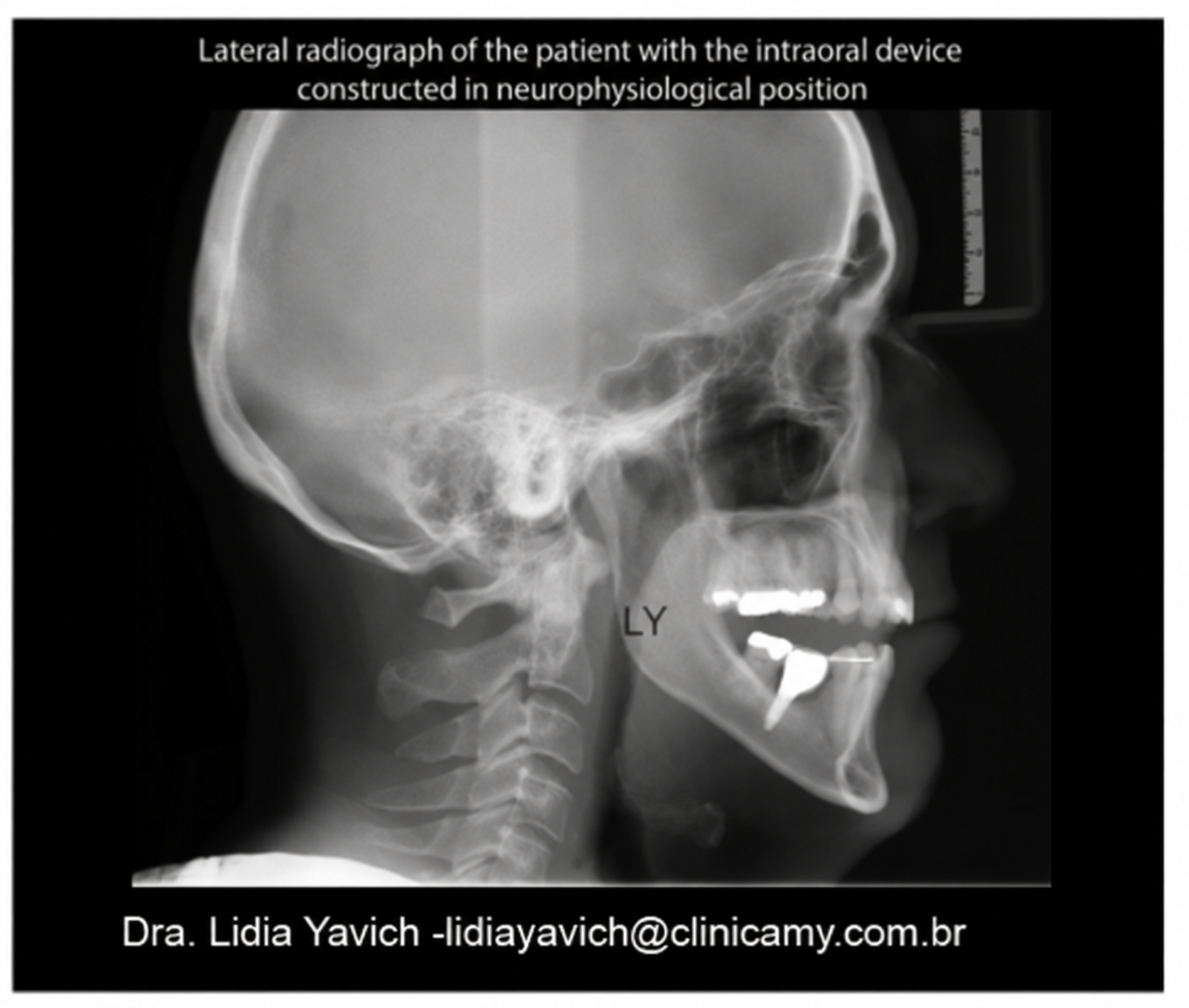
The patient's lateral X-ray with the intraoral appliance. Notice the appearance of vertical space between the atlas and occipital bone:
Frontal cephalogram. Comparing the images before and after placement of the intraoral appliance, we see that the patient's head is now positioned straight (we can also observe centring of the lower jaw and a significant change in the position of the upper jaw):
Comparative lateral images before and after placement of the intraoral appliance:
On TMJ zonography, we observe decompression of the temporomandibular-joint discs (before and after treatment):
Results after 9 months of treatment
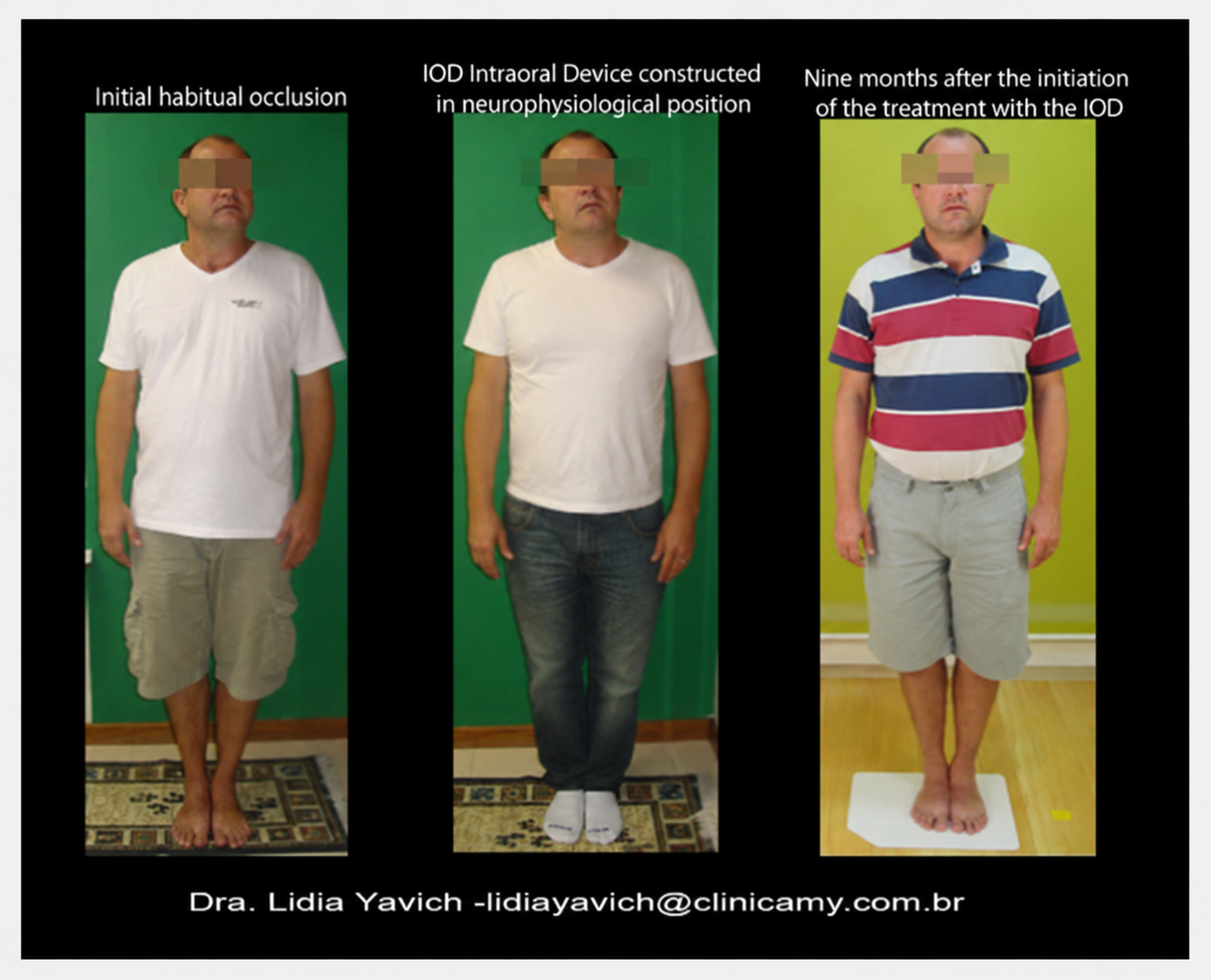
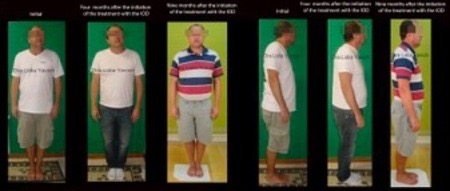
Photographs of the patient in frontal and lateral positions before treatment and after 4 and 9 months wearing the intraoral appliance. We can observe physiological restoration of the patient's head and neck position and posture overall.
Similar results in treating torticollis and dystonia symptoms with the Starecta intraoral appliance were achieved by the American Ken Leaver, whose story can be read here.
__________________
The original article is on https://lidiayavich.com.
No comments
Ask a careful question or add useful context. New comments are reviewed before publication.
No comments yet. You can start the discussion.