
This archived article is based on a rider's personal perspective. It is not a diagnosis, a substitute for motorcycle-safety training, or a claim that a dental or intraoral device treats back, neck or wrist pain. New, severe, persistent or radiating pain should be assessed by an appropriately qualified healthcare professional.
Motorcycling asks the body to do several things at once: keep a clear view ahead, control the machine precisely, absorb vibration and stay relaxed enough to react quickly. A position that feels lively for a short ride can become tiring over distance. The source article, written from the point of view of a committed rider, compares three familiar styles of motorcycle and asks why some positions feel easier than others.
Three riding positions, three demands
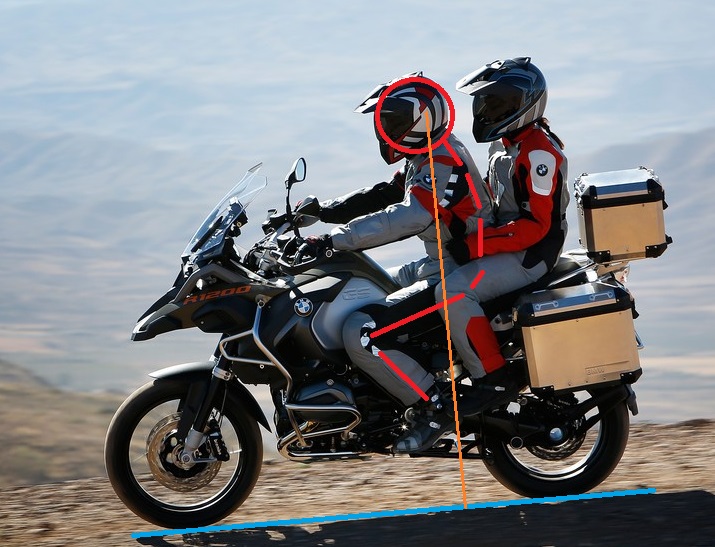
An upright adventure or enduro-style position generally leaves more room between the rider, the controls and the road ahead. The spine is not necessarily “perfectly straight,” but the rider can often change position more easily, stand on the pegs when appropriate and spread the work between the hands, core, legs and seat. For many people, that makes long distances feel less demanding.
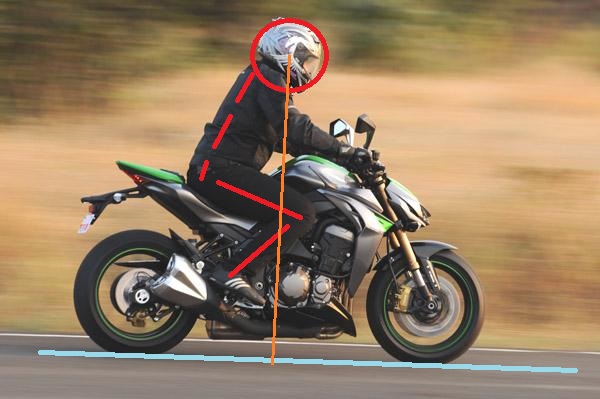
A naked bike often sits between that upright position and a more committed sport-bike crouch. It can be versatile for city riding and short journeys, but wind pressure, bar height, reach to the controls and the rider's own proportions all matter. The same model can feel natural to one rider and fatiguing to another.
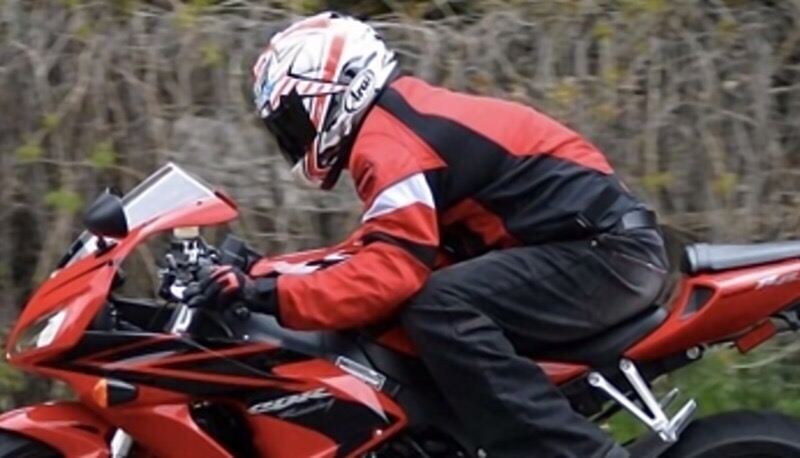
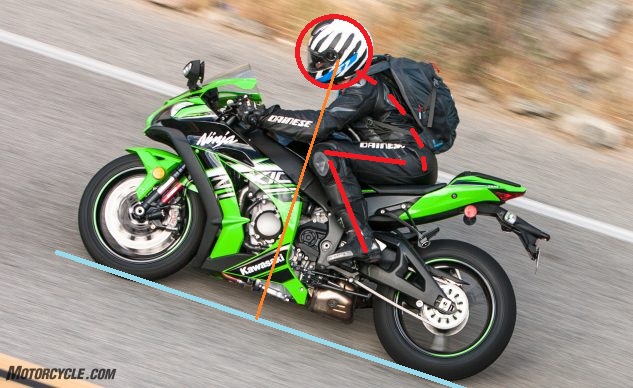
Supersport machines ask for the most forward position. That shape serves aerodynamics and control on a track, but it can place sustained demand on the wrists, shoulders, neck and hips during ordinary road mileage. That is not a defect in the motorcycle or in the rider; it is part of the trade-off that comes with a performance-focused layout.
Comfort is a safety question
When discomfort builds, attention narrows. A rider who is shifting constantly, gripping the bars too tightly or struggling to lift their head may have less mental space for traffic, surface changes and fatigue. The useful question is therefore not only “How much can I tolerate?” but also “What helps me remain relaxed, alert and in control?”
Before assuming that discomfort has one hidden cause, start with the practical variables: helmet fit and certification, suspension setup, seat height, handlebar reach, boot grip, break frequency, load placement, hydration and the length of the ride. A change in one of those factors can matter. Professional rider coaching and a properly qualified bike fit can also help a person understand where they are bracing or overreaching.
What the source adds about the head and jaw
The source author's particular interest is the relationship between head position, the neck and the jaw. In the Starecta framework, the bite is proposed as one element that may influence the way a person supports the head and organizes posture. That is a biomechanical hypothesis from the source, not evidence that changing tooth contact corrects a rider's posture or resolves pain.
It is still reasonable to notice jaw clenching, a changing bite, headaches or neck tension during long rides and to include those observations in a broader health history. The safe next step is not to force the jaw or self-adjust the bite. It is to discuss relevant symptoms with qualified professionals while addressing the motorcycle's ergonomics and the rider's habits as well.
Build comfort gradually
There is no single “right” motorcycle posture. Riders vary in height, mobility, training, previous injury, bike setup and the kind of roads they ride. A comfort plan that works tends to be modest: choose equipment for protection first, make one setup change at a time, take breaks before fatigue becomes distracting and stop riding if pain affects control or concentration.
The original article comes from someone looking for a way to keep enjoying a favorite type of motorcycle. Its most durable point is not a promise of a universal solution. It is the reminder that comfort, attention and safety belong together, and that a rider deserves an approach that respects all three.


1 comment
Ask a careful question or add useful context. New comments are reviewed before publication.