
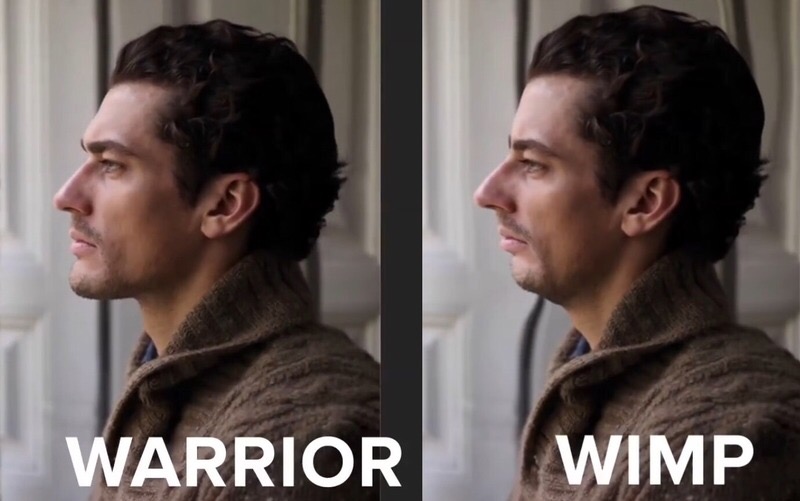
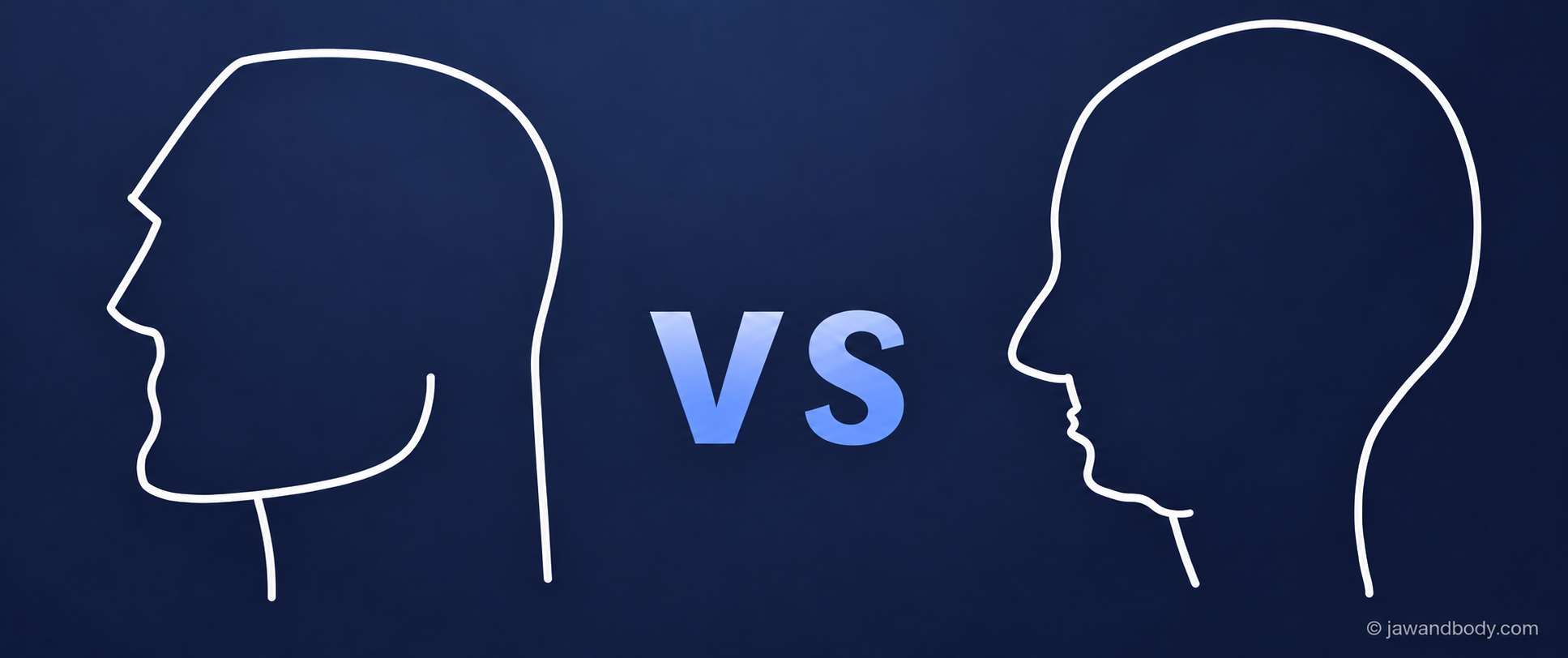
The shape of the male skull is discussed extremely rarely; nevertheless, it is the main criterion by which other people perceive a man. For example, men with the so-called ‘warrior skull’ shape are perceived by others as alpha males (‘hunters’), while people subconsciously perceive men with a ‘nerd’ appearance as beta males, or ‘prey’. What features distinguish these two skull types, and how can you change your type of appearance without surgery? That is what we will discuss in this article.
American bodybuilder Nick Pulos has a classic male ‘warrior skull’. Other people's first impressions of his appearance might be: masculinity, dominance, strength, intimidating.

On the other hand, the appearance of the well-known American comedian Gilbert Gottfried and Canadian actor Michael Cera is a typical example of the ‘nerd’. First impressions of their appearance might be: feminine, submissive, weak, easily oppressed.

It should be noted that this first impression is produced exclusively by their appearance and has nothing to do with their actual personality traits. Nevertheless, it is impossible not to agree with the truth of this first impression, which is also supported by studies of women's preferences in which they selected the man they liked most from photographs. It is not hard to guess that this was the ‘warrior’ type of man. So let us look in more detail at the features of both types and how they differ.
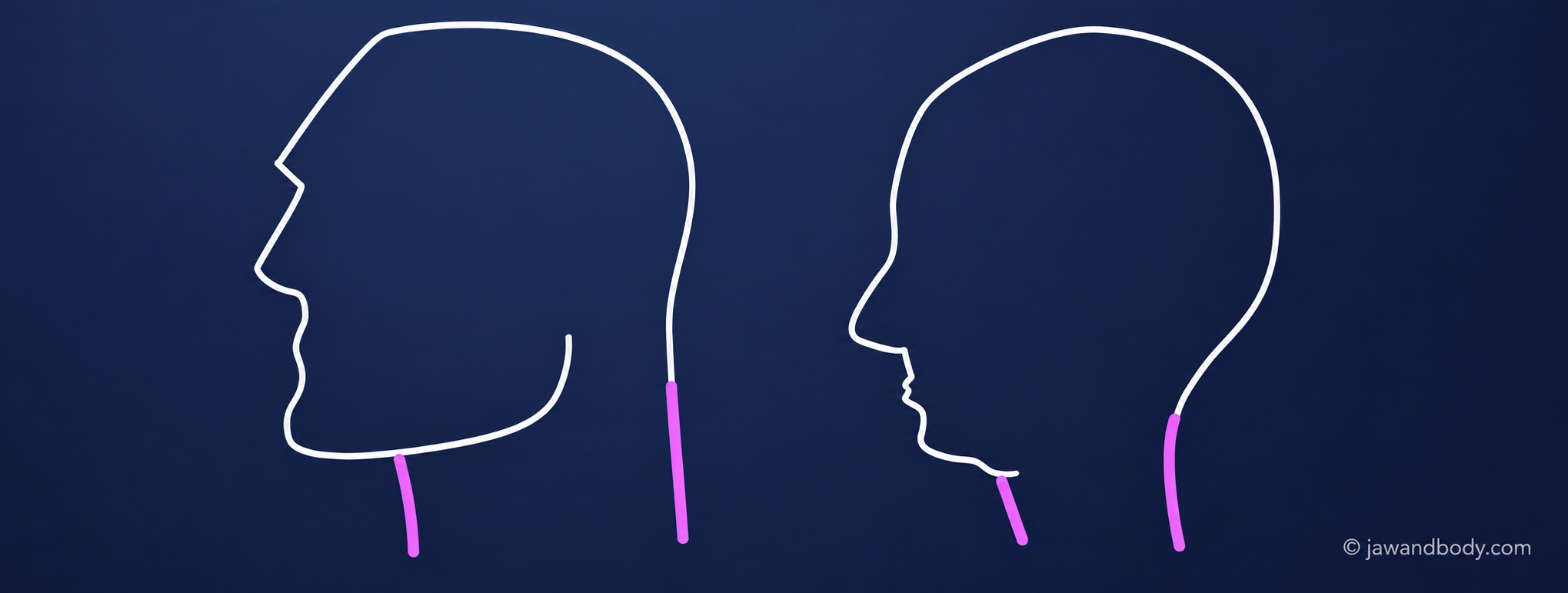
The ‘warrior’ skull has a flat, short occipital bone, while the ‘nerd’ has a rounded, elongated one.

The ‘warrior’ has a thick, short neck; the ‘nerd’ has a thin, fragile one.
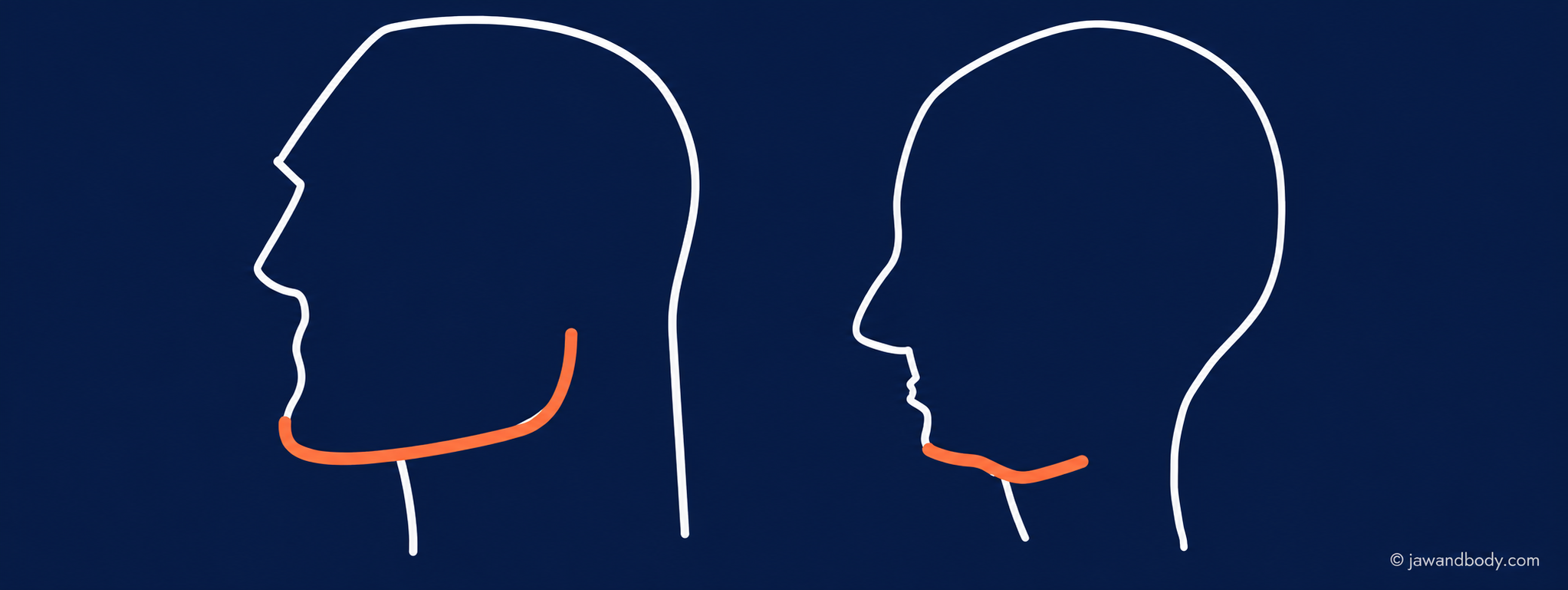
The ‘warrior’ has a strong, forward-projecting jaw; the ‘nerd’ has a weak jaw that is ‘pushed back’.
The ‘warrior's’ nose is straight and proportionate; the ‘nerd's’ is hooked and large.
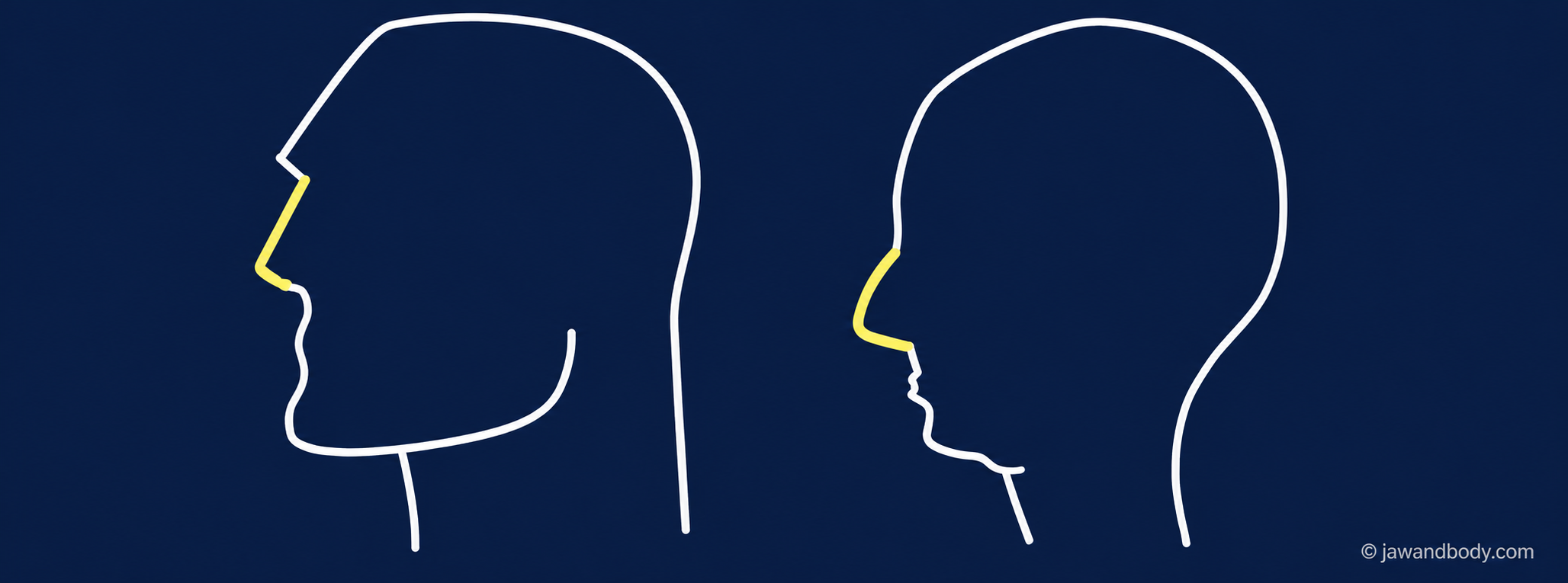
The ‘warrior’ has a strong, forward-projecting brow ridge; the ‘nerd's’ is flat and slightly rounded.
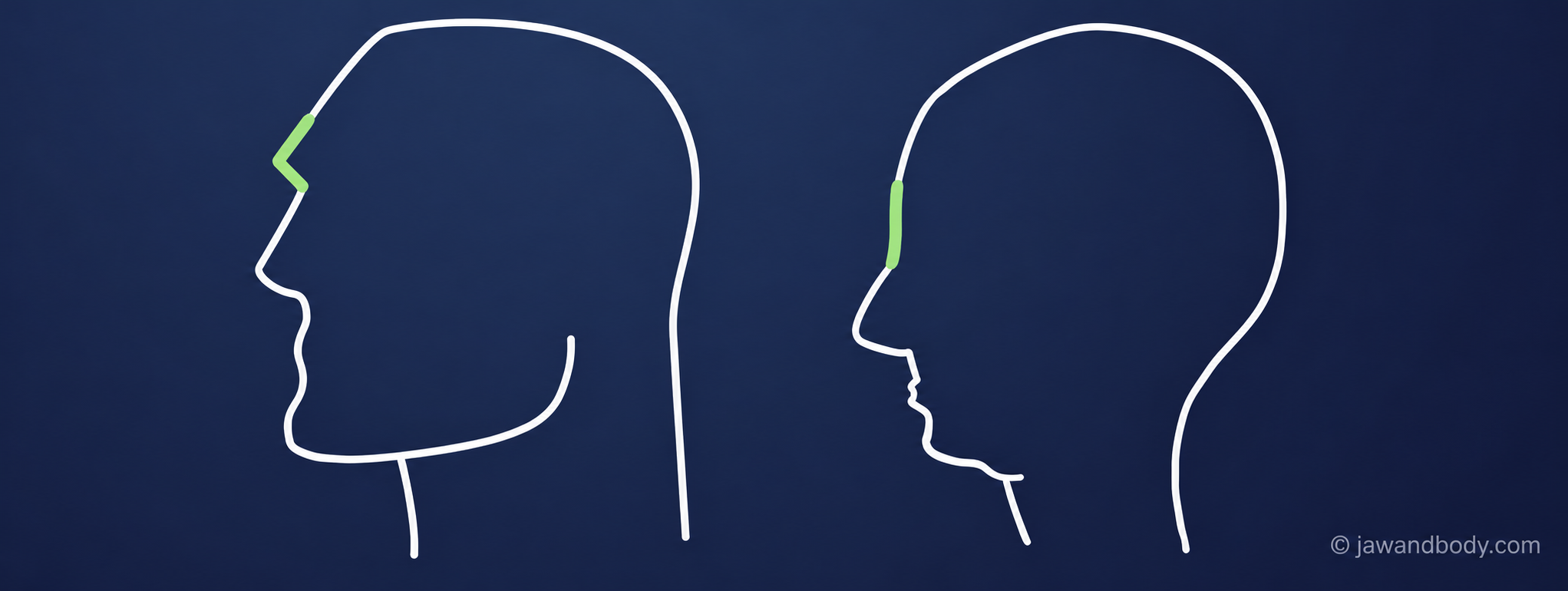
The ‘warrior's’ forehead is short and sloping, while the ‘nerd's’ is long and almost vertical.
The front of the ‘warrior's’ skull is larger than the back; for the ‘nerd’, it is the other way around.

A large rear part of the skull is a characteristic of children and adolescents, while a developed front is a characteristic of masculine men.

It is no coincidence that actors with the ‘warrior skull’ type are cast as male heroes in films, since it gives an impression of masculinity and strength. Conversely, when an impression of weakness and downtroddenness is required, men with a ‘nerd’ appearance are cast in the role.

Artists also take these same features into account when creating comic-book characters: below you can see an example of an insecure ‘nerd’ and a masculine ‘warrior’.

British actor and model David Gandy is a typical example of the ‘warrior man’ appearance. But let us see what happens to your perception of him as a person if Photoshop is used to make his masculine appearance as close as possible to that of a ‘nerd’. You will agree that you perceive these two types of appearance completely differently.

But how can a man bring his appearance closer to the ‘warrior’ type without surgery? There is a way to achieve this: little tricks in choosing a haircut, training, and growing a beard of the right shape. So always cut the hair at the back and top of your head shorter; otherwise, excess hair in these areas will visually enlarge the back of the skull, making you look like a child.

Train your neck muscles. Increasing the thickness of the muscles in this area masculinizes any man and reduces the impression of an elongated, rounded occipital bone.

Grow a beard. Visually, it will bring the lower jaw forward.

There is another way of bringing the front of the skull forward, and it is called myofunctional correction. In this case, though, you will have to fight for the result no less than you would in the gym. But a warrior has a warrior's character, doesn't he?
Testosterone: how to raise its level by biomechanical means — here.
_________________


6 comments
Ask a careful question or add useful context. New comments are reviewed before publication.